

What does organic mean?
Organic is a legally protected term. A product may only be sold as organic in the European Union if it complies with the rules for organic production. These rules apply throughout the entire supply chain: from agriculture and raw materials to processing, storage and transport.
Conventional products are also subject to European food legislation. The difference is that organic production has additional requirements and restrictions.
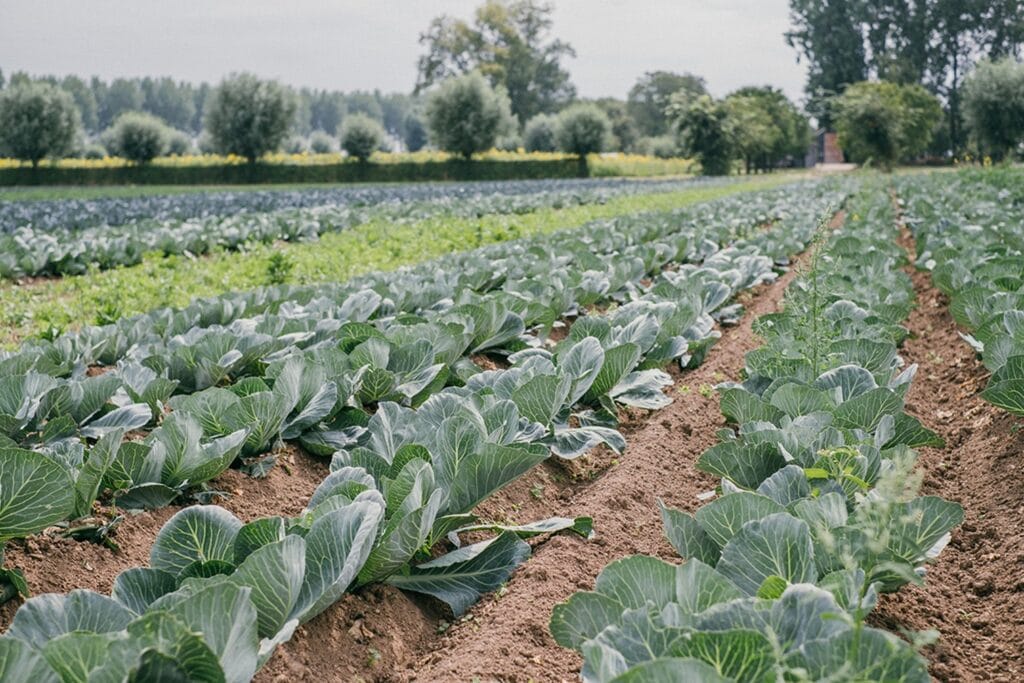
Organic and conventional: what is the difference and how can you recognise it?
| Topic | Organic | Conventional |
|---|---|---|
| Production rules | Additional European rules for organic production apply throughout the entire supply chain. | Subject to general European legislation for food production. |
| Plant protection products | Their use is more restricted. Only products specifically permitted for organic production fit within the system. | Authorised plant protection products may be used under defined conditions. |
| Fertilisers | The use of fertilisers is restricted; mineral* nitrogen fertilisers are not permitted. (*artificial or industrially produced fertilisers) | Mineral fertilisers are permitted within applicable legislation. |
| GMOs | The use of genetically modified organisms (GMOs) is not permitted. | Conventional production is subject to general EU legislation on GMOs, including rules on authorisation, traceability and labelling. |
| Additives | Only a limited selection of approved additives and processing aids is permitted. | EU-approved additives are permitted under defined conditions of use and are subject to general European legislation. |
| Certification | Companies in the organic supply chain are subject to a separate inspection and certification system. In the Netherlands, Skal Biocontrole is the designated official control authority for organic products. | Organic certification is not required. The product may therefore not be marketed as organic. |
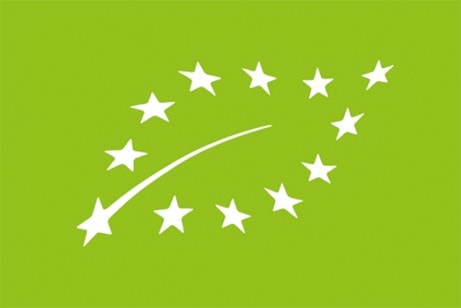
| Logo | The logo is an official European certification mark, also known as the ‘Euro-leaf’. | No organic logo. |
European rules for organic production restrict, among other things, the use of fertilisers, herbicides and pesticides, prohibit GMOs and include a limited list of permitted additives and processing aids.
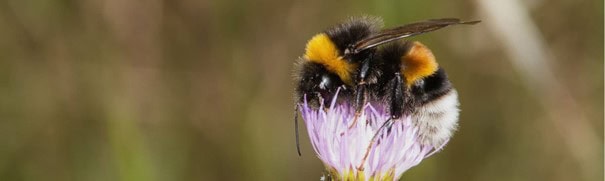
Organic farming and biodiversity
Organic farming is, on average, associated with higher biodiversity than conventional farming. This is partly linked to stricter restrictions on plant protection products and mineral nitrogen fertilisers, as well as greater emphasis on crop rotation, soil fertility and natural pest management.
Research shows higher biodiversity on organic farms on average, although the size of the difference varies considerably depending on the crop, landscape and farming practices.
More about our sustainability approach
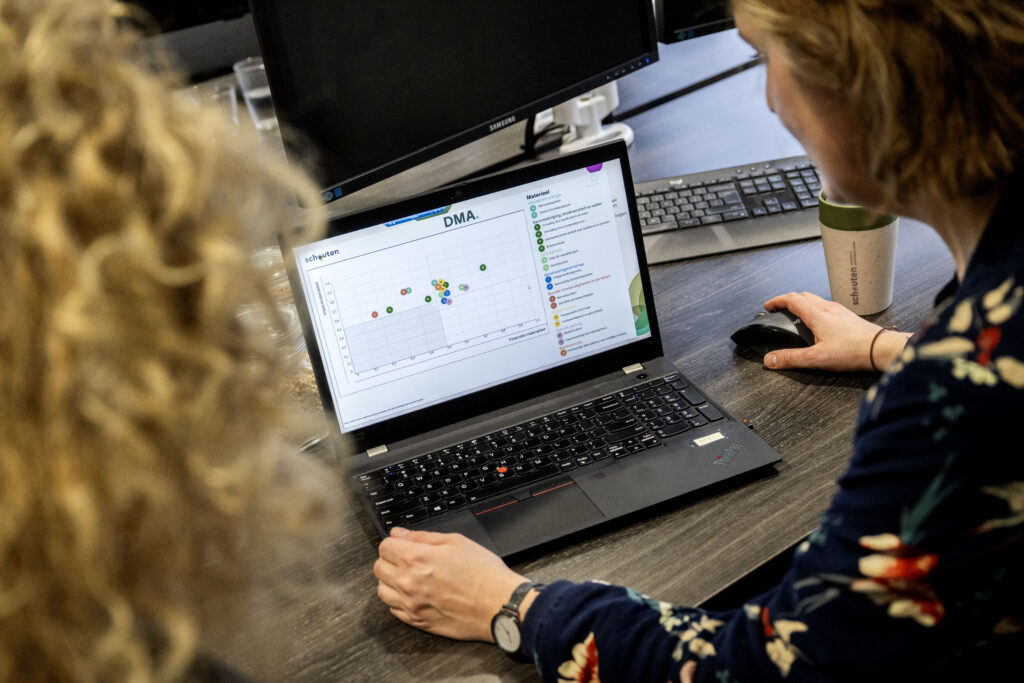
Our 2025 sustainability report provides insight into Schouten Europe’s performance and objectives in areas including climate, energy and social topics.
Our values are innovation, integrity, reliability, quality, commitment, transparency and respect.
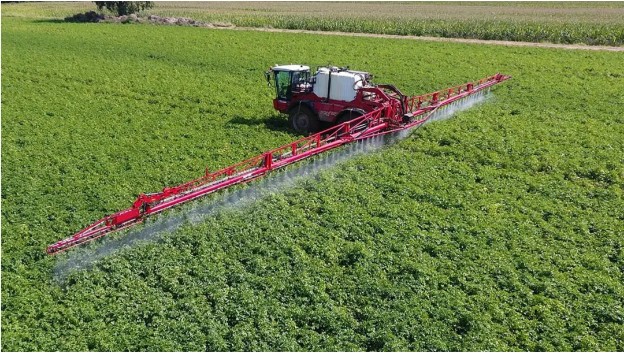
Does organic mean ‘without pesticides’?
No. That is an important distinction.
Organic farming also allows certain products to protect crops against pests and diseases. The choice is more limited: products used in organic farming need specific approval for use in organic production.
There is also greater emphasis on measures such as crop rotation, soil fertility and other preventive farming methods.
Organic therefore does not automatically mean pesticide-free, but different and stricter production rules do apply.
What about genetic modification?
Genetically modified organisms, or GMOs, are not permitted in organic production. The situation is different for conventional food. A GMO may only be placed on the EU market after a European safety assessment and authorisation. Rules on traceability and labelling also apply.
This does not mean that conventional products may contain genetically modified ingredients without restriction. They are subject to a separate European authorisation and control system.
And what about additives?
Here too, the difference is more nuanced than simply ‘with or without additives’.
European rules determine which additives may be used in conventional food and under which conditions. Organic processing is subject to an additional restriction: only a specifically permitted selection of additives and processing aids may be used in organic production.
When may a product carry the EU organic logo?
The green EU organic logo indicates that a product complies with European rules for organic production.
For processed organic foods, at least 95% of the agricultural ingredients must be organic. The remaining maximum 5% is reserved exclusively for permitted ingredients that are not sufficiently available in organic form. Conditions also apply to these remaining ingredients. In addition, the product needs certification from a recognised control authority or control body.
In the Netherlands, Skal Biocontrole supervises companies that produce, process, package, store or trade organic products. Skal checks whether companies comply with European organic legislation.
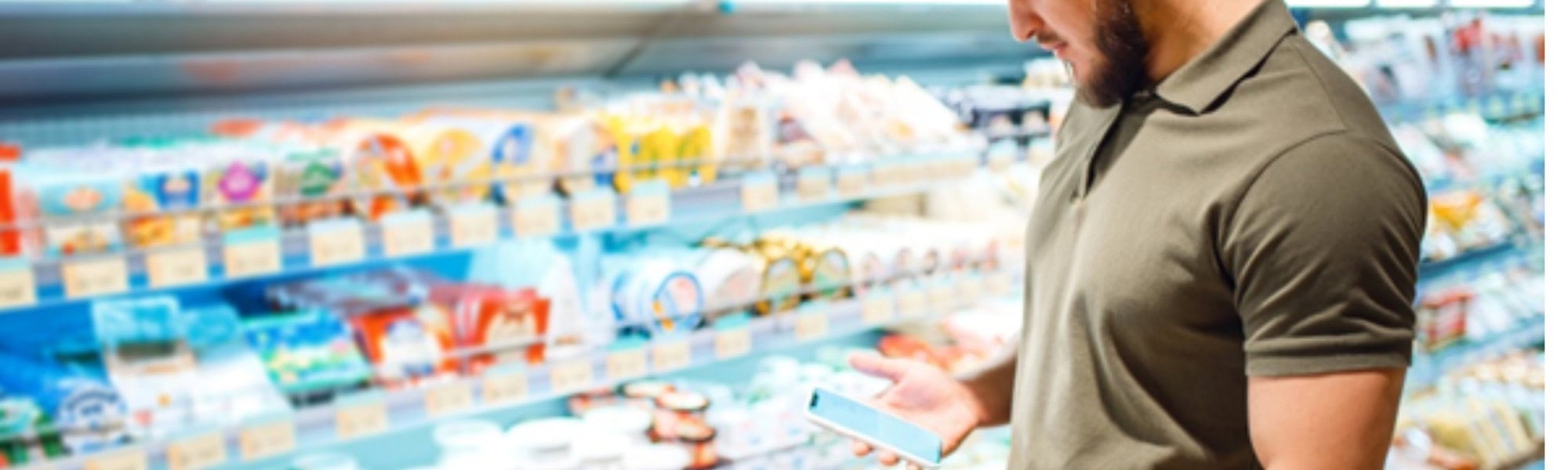
How do consumers view organic products?
Consumer attitudes towards organic products are generally positive. According to the 2026 Dutch consumer monitor, based on a representative panel of 3,000 people, consumers mainly associate organic products with benefits for nature and society. The EU organic label is recognised by 53% of consumers (Dutch Government, 2026).
At the same time, price remains an important barrier. Consumers often perceive organic products as more expensive, and this price perception influences purchasing decisions.
The organic market continues to grow. According to Bionext, Dutch organic retail sales increased by approximately 9% in 2025 to more than €2 billion. Wageningen Social & Economic Research, using a broader definition of consumer spending across several sales channels, reports almost €2.5 billion in spending on organic products.
Grow with the organic market
Organic plant-based products combine a plant-based product concept with the additional European requirements for organic production. This gives retailers, foodservice operators and brands the opportunity to add an organically certified option within the meat alternatives category.
Their role is mainly complementary: organic plant-based products create opportunities to further develop the organic assortment within meat alternatives as well. This helps you respond to growth in the organic market while offering customers more choice within the category.
Schouten Europe develops organic plant-based products for a variety of applications and concepts, with a focus on taste, texture and ease of use.
In short
Both organic and conventional production are regulated. Organic production adds a separate set of production rules, restrictions, controls and certification requirements.
These differences include stricter rules on plant protection and fertilisers, the prohibition of GMOs in organic production and a more limited selection of permitted additives and processing aids.
Sources:
https://www.skal.nl/
https://besjournals.onlinelibrary.wiley.com/doi/abs/10.1111/1365-2664.14826
https://www.fibl.org/en/info-centre/news/organic-farming-environment-society-meta-analysis-results
/https://www.fibl.org/fileadmin/documents/en/news/2025/Media_Release_Organic_Benefits_EN.pdf
https://agriculture.ec.europa.eu/farming/organic-farming/organic-production-and-products_en
https://food.ec.europa.eu/plants/pesticides_en
https://food.ec.europa.eu/food-safety/genetically-modified-organisms/gmo-legislation_en
https://food.ec.europa.eu/food-safety/food-improvement-agents/additives/eu-rules_en
https://food.ec.europa.eu/food-safety/food-improvement-agents/additives_en
https://agriculture.ec.europa.eu/farming/organic-farming/organic-logo_en
https://bionext.nl/nieuws/trendrapport-2025-brengt-biologische-sector-in-kaart-biologische-omzet-passeert-2-miljard-in-nederland
https://www.wur.nl/nl/nieuws/consument-geeft-opnieuw-meer-uit-aan-duurzaam-voedsel?
https://www.staatvanbiologisch.nl/indicatoren/consumentenonderzoek-keurmerk/
https://besjournals.onlinelibrary.wiley.com/doi/abs/10.1111/1365-2664.14826
https://www.fibl.org/fileadmin/documents/en/news/2025/Media_Release_Organic_Benefits_EN.pdf