

Mycoprotein
An innovative protein source for the future of food
Mycoprotein is a protein-rich ingredient produced through fungal fermentation. With its fibrous texture, neutral flavour and nutritional profile, it is an interesting ingredient for meat alternatives. From succulent nuggets to versatile pieces, mycoprotein opens up new opportunities for plant-based product development.
But what exactly is mycoprotein? How is it made? And how does it compare with soya and animal proteins? Explore the characteristics, benefits and applications of mycoprotein.

What is mycoprotein?
Mycoproteïne is een eiwitrijke voedingsgrondstof afkomstig van schimmels. De naam komt van ‘myco’, dat verwijst naar schimmels, en ‘proteïne’, het woord voor eiwit. Een bekende bron van mycoproteïne is de schimmel Fusarium venenatum. It grows during a controlled fermentation process, forming a fibrous biomass. This natural structure makes mycoprotein particularly suitable for meat alternatives with a firm, satisfying bite.
Unlike soya and pea protein, which come from plants, mycoprotein belongs to the fungal kingdom. This makes it an interesting addition to the protein sources already used in the food industry.
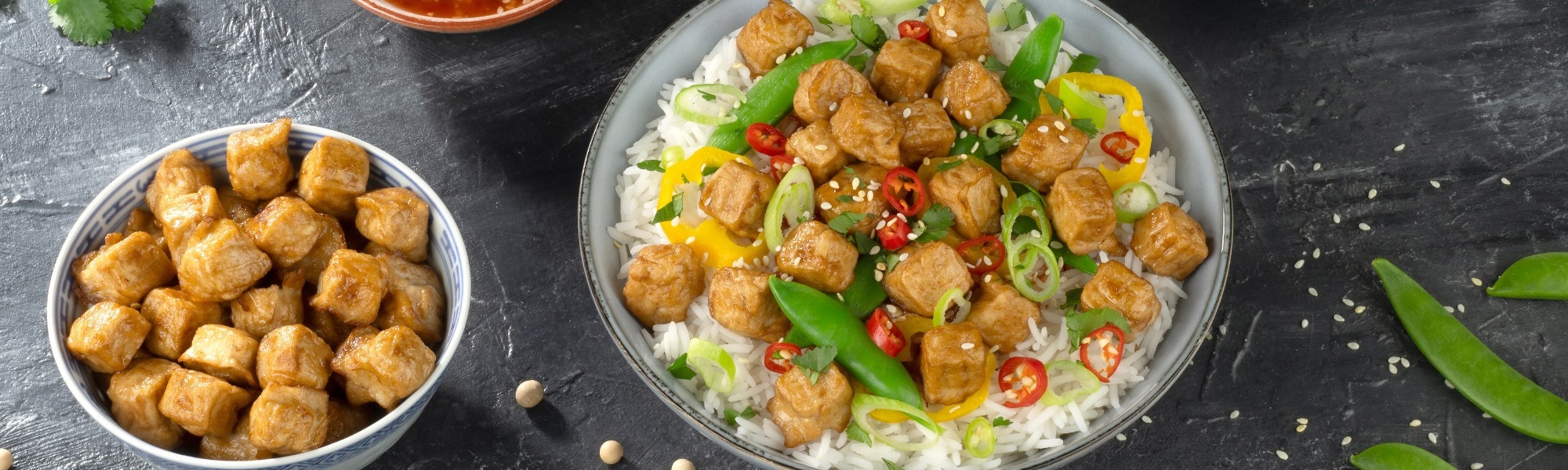
Mycoprotein: explore the possibilities
How is mycoprotein produced, and what makes this protein source interesting for plant-based product development? Find out in our presentation, covering the fermentation process, nutritional value, sustainability, consumer acceptance and innovative applications.
Explore the presentation and discover the potential of mycoprotein.
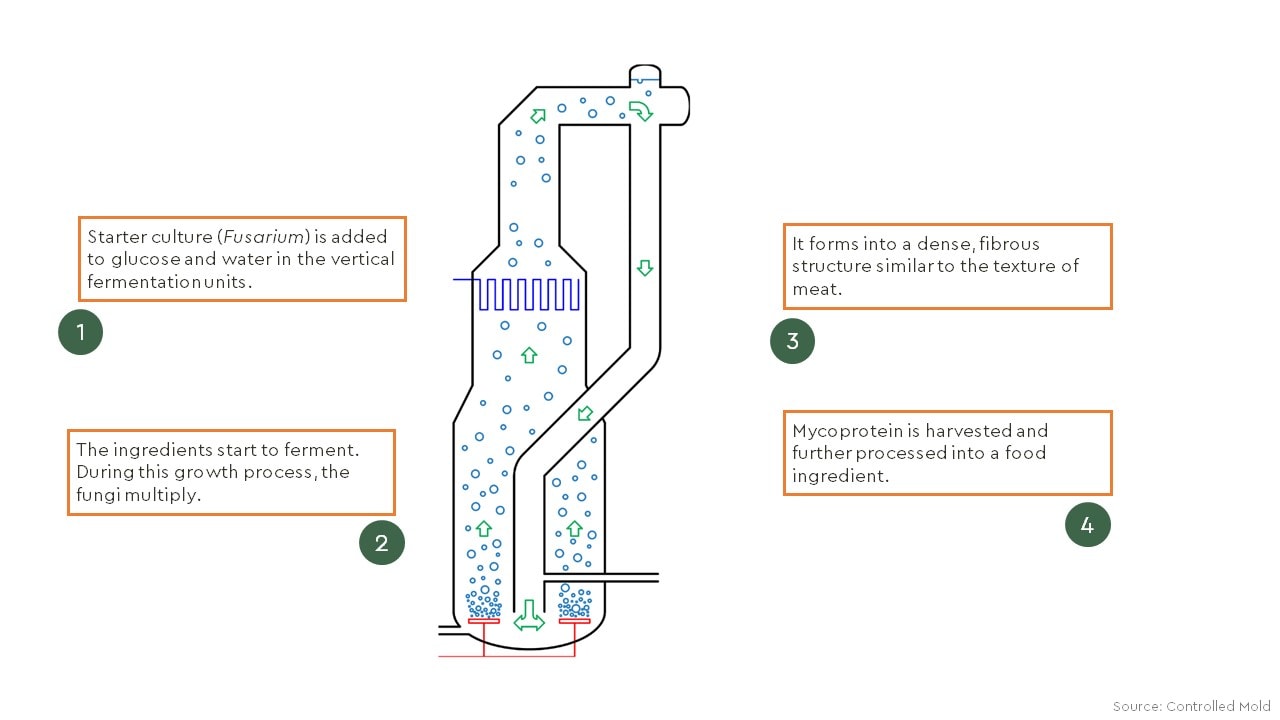
How is mycoprotein made?
Mycoprotein is made through fermentation: a controlled process in which fungi grow on nutrients such as glucose.
The production process consists of several steps:
- Starting fermentation. A selected fungal culture grows in a controlled environment containing water and nutrients.
- Growing the fungal biomass. The fungus grows and develops a network of fine fibres.
3. Harvesting the biomass. After fermentation, the fungal biomass undergoes further processing, including heat treatment to reduce its RNA content.
4. Processing mycoprotein. The ingredient forms the basis for a range of food products, including meat alternatives.
The result is a protein-rich ingredient with a fibrous texture that works well in chicken-style applications. Its relatively neutral flavour also makes it suitable for a wide range of seasonings, marinades and flavour combinations.
What are the nutritional benefits of mycoprotein?
Mycoprotein combines protein with dietary fibre and is naturally relatively low in saturated fat. The ingredient contains all nine essential amino acids that the body needs to obtain from food.
1. A complete protein source
Is mycoprotein a complete protein source? Yes. Mycoprotein contains all nine essential amino acids, making it an interesting protein source for vegetarian and vegan diets.
The final protein content per serving depends on the product’s recipe.
2. A source of dietary fibre
One distinctive characteristic of mycoprotein is the presence of dietary fibre in its fungal cell walls, including beta-glucans and chitin.
This composition makes mycoprotein an interesting ingredient for food products that combine protein and fibre.
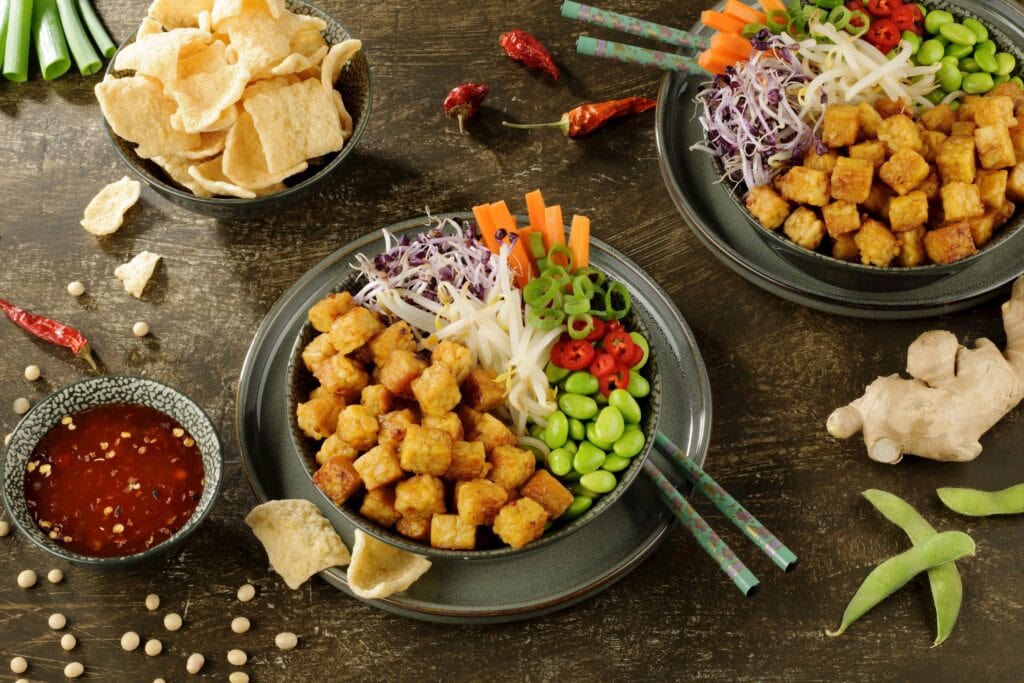

3. Naturally low in saturated fat
Mycoprotein itself is generally low in saturated fat and contains no cholesterol. The nutritional profile of nuggets, burgers and other finished products also depends on ingredients such as oils, coatings and flavourings.
4. A range of micronutrients
Mycoprotein naturally contains various vitamins and minerals. Quorn Nutrition, for example, describes mycoprotein as a source of riboflavin (vitamin B2), folate, phosphorus, zinc, choline and manganese.
The amounts vary according to the ingredient and how it is processed. The nutritional values of the finished product should always form the basis of specific nutrition claims.
Is mycoprotein healthy?
Mycoprotein can form part of a varied diet and offers an interesting combination of protein and fibre. Scientific studies also discuss potential positive effects on satiety, cholesterol levels, blood glucose regulation and muscle development.
A scientific review published in 2024 describes these characteristics and also discusses the limitations of the available research.
An important distinction is that research findings relating to mycoprotein as an ingredient do not automatically apply to every food product containing mycoprotein.
For food businesses, the opportunity lies in developing great-tasting products with a carefully considered nutritional profile.

Is mycoprotein sustainable?
Mycoprotein offers interesting opportunities for developing foods with a lower environmental impact. Fermentation generally requires less agricultural land than animal protein production, particularly compared with beef.
Studies of its climate impact also show promising results. However, the actual environmental impact depends on factors such as energy consumption, raw materials, production location and processing.
Milieu Centraal, a Dutch consumer information organisation, reports that mycoprotein-based products such as Quorn perform relatively well in terms of environmental impact. It also highlights the considerable variation in climate impact among protein-rich foods.

How does mycoprotein compare with other protein sources?
The environmental impact of mycoprotein differs from that of plant-based and animal-based protein sources. Research suggests that mycoprotein offers particular advantages over meat in terms of land use. Greenhouse gas emissions and water use also vary between protein sources.
The table below provides an indicative comparison of mycoprotein, soya, chicken, pork and beef.
| Indicators | Mycoprotein | Soya | Chicken (fillet) | Pork (fillet) | Beef (steak) |
| CO₂ equivalent (kg per kg) | 0.9–6.15 | 1.0–4 | 1–6 | 4 -12,4 | 31.3 |
| Land use (m² per kg) | Low (0.4–3.1) | Low (0.6–2) | High (3.3–7.5) | High (5.9–10.1) | High (8–24) |
| Water use (L per kg) | 350 – 600 L | 2.000-3.000 L | 3.000- 3.900 L | 6.000-7.000 L | 10.000- 15.000 L |
This comparison shows that mycoprotein is an interesting protein source for food businesses looking to reduce the environmental impact of their portfolios. However, results vary by production process and assessment method. A product-specific life cycle assessment therefore provides the most reliable basis for specific sustainability claims.
Mycoprotein is therefore an interesting ingredient for more sustainable product development, but it is not automatically the most environmentally friendly protein source in every comparison.
For food manufacturers, a life cycle assessment (LCA) of the specific product provides the best basis for substantiated sustainability claims.
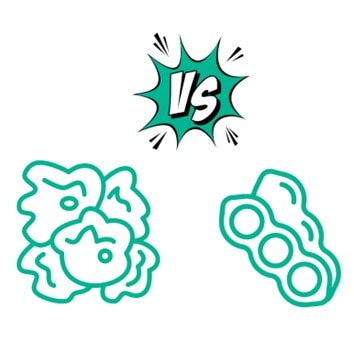
Mycoprotein vs soya: what are the differences?
Mycoprotein and soya are both valuable alternatives to animal proteins. However, they differ in origin, structure, processing and application.
Origin: soya comes from soya beans, whereas mycoprotein is produced through fungal fermentation.
Protein quality: both contain all nine essential amino acids. Their nutritional value and protein digestibility depend on the specific ingredient and processing method.
Texture: mycoprotein has a naturally fibrous structure. Soya protein often requires additional processing to achieve a meat-like texture.
Flavour: mycoprotein generally has a neutral flavour profile. With soya, flavour and properties vary depending on the ingredient and processing method.
Sustainability: both protein sources offer opportunities for foods with a lower environmental impact than many animal-based products. Which one performs better depends on the supply chain and the comparison being made.
For product developers, mycoprotein is therefore more than an alternative to soya. It is a complementary ingredient with its own functional characteristics and applications.
Is mycoprotein vegan?
Mycoprotein comes from fungi, not animals, making it suitable for developing vegan products.
However, not every product containing mycoprotein is automatically vegan. Some mycoprotein-based meat alternatives contain egg or other animal-derived ingredients.
The full recipe therefore determines whether a finished product is vegan. Schouten Europe uses mycoprotein in products including Vegan Mycoprotein Nuggets and Vegan Mycoprotein Pieces.
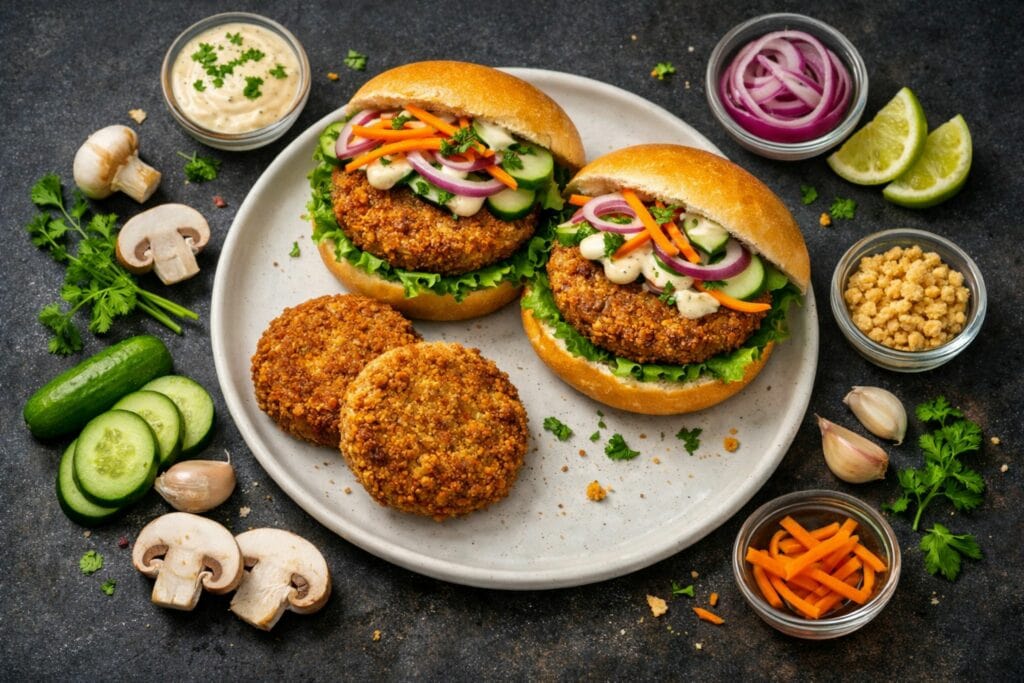
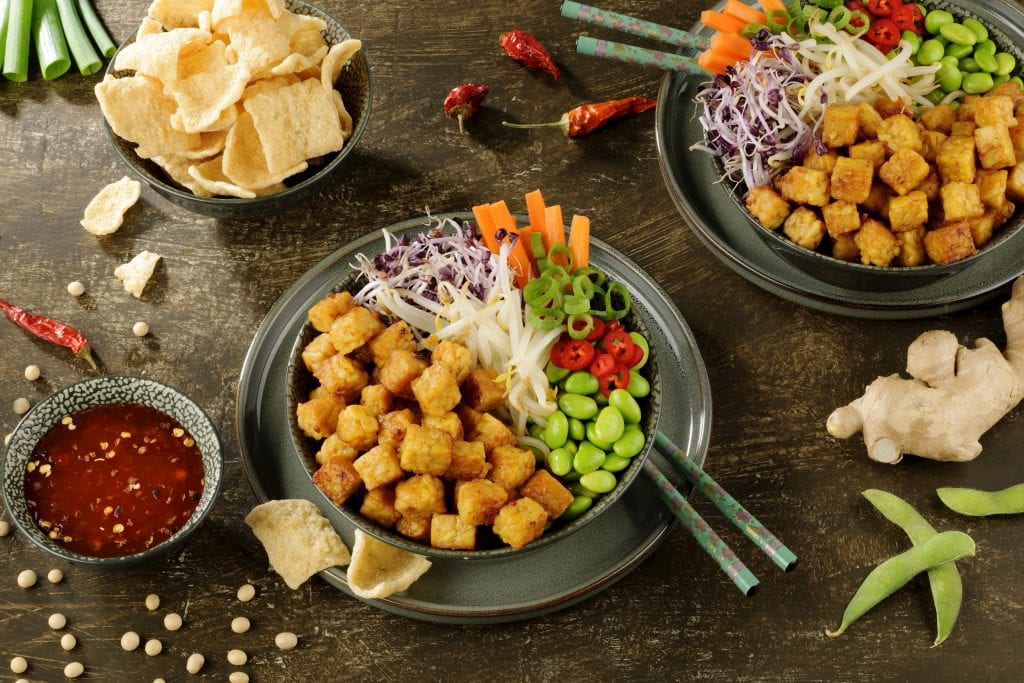
Mycoprotein in the food industry: from nuggets to meal components
The combination of a fibrous texture and neutral flavour makes mycoprotein suitable for a wide range of applications. It is particularly promising for products requiring a familiar, chicken-like bite.
Think nuggets, stir-fry pieces, wraps, meal salads and plant-based meal components.
For manufacturers, retailers and foodservice businesses, successful product development is about more than the protein source alone. Flavour, juiciness, ease of preparation, nutritional value and final cost are all important considerations.
“Mycoprotein is a nutritious and innovative protein source with a unique fibrous texture. It offers exciting opportunities to develop new plant-based products that combine great flavour with a meat-like texture.”
Henrieke Ouwerkerk Sr. Product Developer

What do consumers think of mycoprotein?
Consumer acceptance is essential for successful product development.
A 2022 international study explored the willingness of 4,088 consumers to try, buy and pay a premium for mycoprotein.
The study found that perceived healthiness had the strongest positive influence on willingness to consume mycoprotein, followed by expected nutritional benefits, food safety and sustainability. Price and taste produced mixed results.
The findings highlight the importance of not only informing consumers about the benefits of mycoprotein, but also winning them over with appealing products.
For food manufacturers, this offers a valuable insight: an innovative protein source may attract interest, but taste, product experience and trust remain vital to a successful launch.

Discover Schouten’s mycoprotein products
Schouten Europe has been developing vegetarian and plant-based products for the international food market for more than 30 years. Our range includes a variety of mycoprotein-based applications.
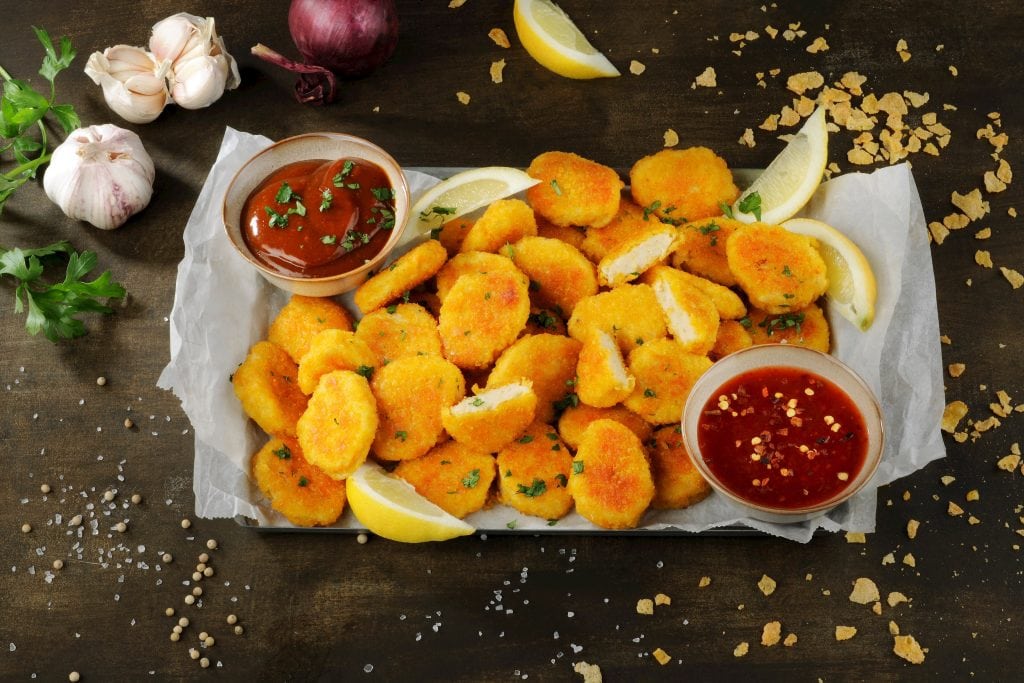
Vegan Mycoprotein Nuggets
These nuggets combine a firm, juicy texture with a crispy coating. Made with mycoprotein and plant proteins, they offer a familiar plant-based snacking experience.
Their versatility makes them suitable for foodservice concepts, wraps, children’s menus and snack ranges.
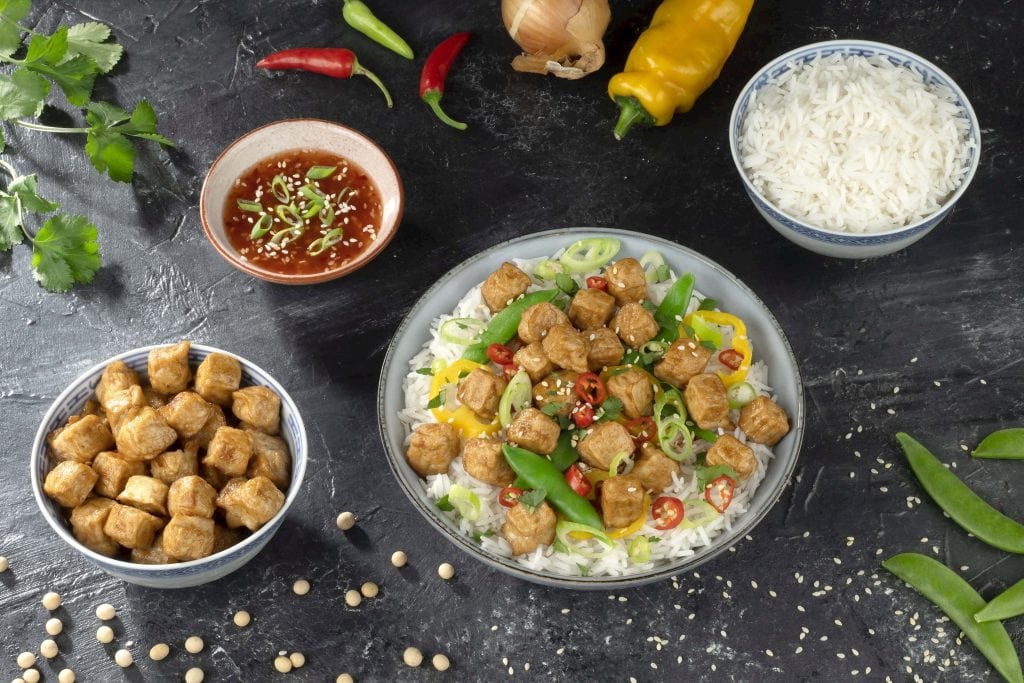
Vegan Mycoprotein Pieces
Our Vegan Mycoprotein Pieces have a firm, fibrous bite and a neutral flavour, making them a great match for different seasonings, sauces and marinades.
Use them as a protein component in stir-fries, meal salads, wraps and other plant-based meal concepts.
Both products are vegan and contain no soya ingredients. They do contain wheat, as stated on the product pages.
Mycoprotein and the future of plant-based product development
Interest in alternative protein sources is driving the development of new food concepts. Alongside established ingredients such as soya, wheat and pea protein, fermentation is attracting growing attention as a protein production technology.
Mycoprotein gives food businesses another way to diversify ingredient origins, textures and flavours. It also supports product development focused on protein diversification and innovative fermentation technology.
Consumer research by Dean et al. (2022) shows that nutritional value, sustainability and food safety play an important role in consumer acceptance. A successful product launch also requires attention to taste, affordability and product experience.
For manufacturers and foodservice businesses, mycoprotein therefore offers interesting opportunities to create distinctive plant-based concepts.
Frequently asked questions about mycoprotein
What does mycoprotein mean?
Mycoprotein is a protein-rich food ingredient derived from fungi. The name combines ‘myco’ (fungus) and ‘protein’. It is used as a base for meat alternatives, among other products.
Is mycoprotein a complete protein source?
Yes. Mycoprotein contains all nine essential amino acids. The protein content and overall nutritional value vary depending on the product and recipe.
What is the difference between mycoprotein and soya?
Mycoprotein is produced through fungal fermentation, while soya comes from soya beans. Both are complete protein sources. Mycoprotein stands out for its fibrous texture and relatively neutral flavour.
Can mycoprotein cause allergic reactions?
Mycoprotein is not on the EU list of 14 allergens requiring mandatory labelling. However, allergic reactions are possible. Some products containing mycoprotein also contain other allergens, such as wheat.
Is mycoprotein always vegan?
The ingredient is not of animal origin, but the finished product is not automatically vegan. Schouten’s Vegan Mycoprotein Nuggets and Vegan Mycoprotein Pieces are both vegan.
Is mycoprotein better for the environment than meat?
Studies suggest that certain mycoprotein products require less agricultural land and have a lower climate impact than comparable meat products, particularly beef. The exact differences depend on the production process, product and assessment method.
What is mycoprotein used for?
Mycoprotein is used as a base for nuggets, pieces, burgers and other meat alternatives. Its structure makes it particularly suitable for applications requiring a firm, fibrous bite.
What regulations apply to mycoprotein?
General food safety and labelling regulations apply in the EU. Novel food status is also relevant and depends, among other factors, on the fungal strain and production process. New ingredients therefore require an assessment of their authorisation status before entering the market.
Which mycoprotein brands and products are available?
Quorn is a well-known consumer brand that uses mycoprotein. Schouten Europe develops products including Vegan Mycoprotein Nuggets and Vegan Mycoprotein Pieces for the B2B food market.
Discover the possibilities of mycoprotein with Schouten Europe
Are you looking to develop new plant-based products or expand your range with innovative protein sources?
Schouten Europe is happy to explore flavours, textures and applications with you. With more than 35 years of experience in vegetarian and plant-based product development, we help food businesses create appealing concepts.
Explore our product range or get in touch to discuss the possibilities of mycoprotein for your business.
Sources:
https://www.sciencedirect.com/topics/biochemistry-genetics-and-molecular-biology/mycoprotein
https://www.quornnutrition.com/importance-of-micronutrients
https://www.milieucentraal.nl/eten-en-drinken/milieubewust-eten/vlees-vis-of-vega
https://pubs.rsc.org/en/content/articlehtml/2024/fb/d3fb00169e#cit47
https://www.quorn.co.uk/assets/files/content/Carbon-Trust-Comparison-Report-2018.pdf