
Mycoprotein as the next growth driver in meat alternatives
View the presentation or read about your opportunities as a food professional in the article below.
Mycoprotein: the Next Growth Driver in Meat Alternatives?
The meat alternatives market is evolving. While the first wave of plant-based products generated strong growth and increased consumer awareness, expectations have changed. Consumers are becoming more critical and are looking beyond sustainability alone. Taste, texture, nutritional value and price are playing an increasingly important role in purchase decisions.
Against this backdrop, mycoprotein is attracting growing attention across the food industry. Product launches containing mycoprotein reached a peak in 2025, highlighting increasing interest from brands and manufacturers looking for new ways to meet consumer expectations.

What is Mycoprotein?
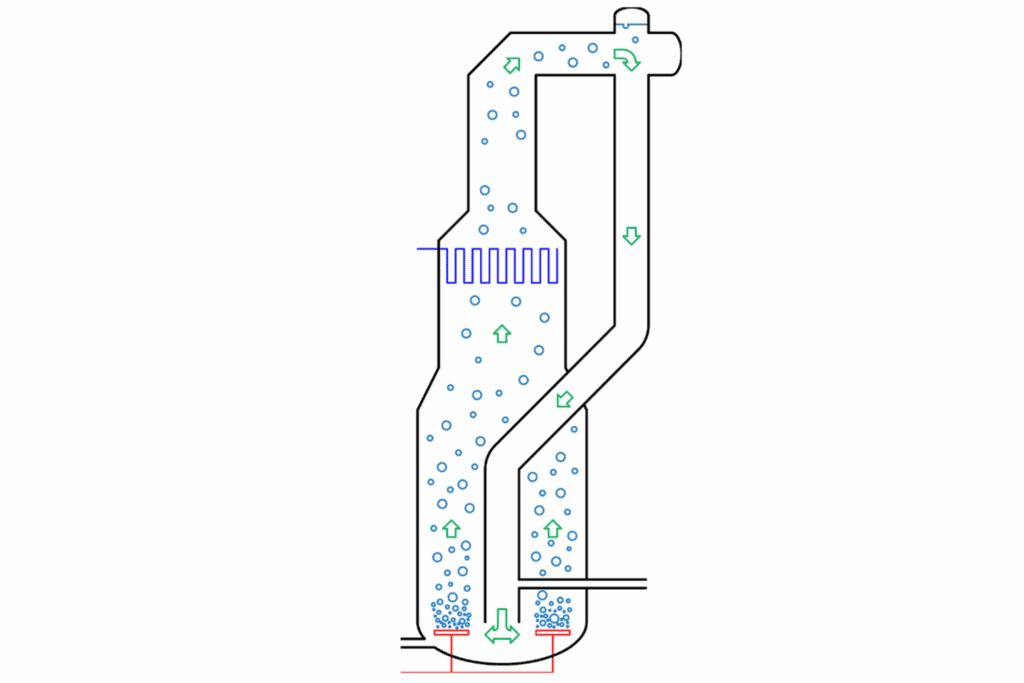
Mycoprotein is produced through the fermentation of fungi, a group of organisms that also includes mushrooms. Through this natural fermentation process, a protein-rich ingredient is created with a naturally fibrous structure.
This unique structure makes mycoprotein particularly interesting for meat alternatives. It can help deliver a firmer bite, a more meat-like texture and a familiar eating experience. In addition, mycoprotein is naturally high in protein, contains fibre, is low in saturated fat and provides all essential amino acids.
Bringing meat alternatives closer to meat
One of the biggest challenges in the meat alternatives category remains consumer satisfaction. While sustainability continues to be important, consumers increasingly expect products that can compete with meat on taste and texture.
Thanks to its natural fibrous structure, mycoprotein offers opportunities to create products that more closely resemble meat in terms of bite, texture and overall eating experience. This makes it particularly relevant for categories where texture is a key driver of consumer acceptance..

Why Mycoprotein Aligns with Current Market Trends
Several market trends are contributing to growing interest in mycoprotein.

Better taste and texture
Consumers are looking for alternatives that are not only responsible, but also enjoyable to eat. Products that deliver on taste and texture are more likely to drive repeat purchases and long-term category growth.
Growth of flexitarian consumers
Much of the demand for meat alternatives now comes from flexitarian consumers. Rather than eliminating meat completely, these consumers are looking to reduce their meat consumption while still enjoying familiar meals and flavours. Products with a strong eating experience are therefore becoming increasingly important.

Sustainable protein production
Pressure on agricultural land, water resources and the climate continues to increase. Fermentation offers a scalable way to produce high-quality proteins with less reliance on traditional livestock farming, making it an attractive addition to the future protein landscape.
Clean label and natural positioning
Growing scrutiny of ingredient lists is encouraging manufacturers to simplify recipes wherever possible. Fungi and fermentation fit well with the demand for natural and recognisable ingredients, while also providing a compelling product story.


Focus on fibre and nutritional balance
Consumers are paying more attention to overall nutritional value rather than protein alone. As a naturally fibre-containing protein source, mycoprotein aligns with trends such as gut health, satiety, balanced nutrition and positive nutrition.
The consumer acceptance challenge
Despite its potential, consumer awareness of mycoprotein remains limited. Many consumers are unfamiliar with the term and may not immediately understand what it is or why it is relevant.
Communication therefore plays an important role. Consumers are generally more interested in benefits such as taste, texture, nutritional value and sustainability than in the underlying technology.

The most successful communication strategies are likely to focus on:
- Taste and texture
- Fibre and protein
- Juiciness and bite
- Nutritional value
- Sustainability
- Natural fermentation
There is also an opportunity to position fungi in a more familiar and positive context. Products such as yoghurt, cheese and tempeh demonstrate that fermentation is already widely accepted by consumers. The challenge is to build similar familiarity around mycoprotein.
Where are the opportunities?
Mycoprotein offers opportunities across a wide range of applications, particularly where eating experience and texture are critical. Examples include:

- Ready meals
- Pizza toppings
- Wraps and sandwiches
- Meal salads
- Food-to-go concepts
- Nuggets and finger foods
- QSR applications
Beyond individual products, mycoprotein also creates opportunities for differentiation. As criticism of ultra-processed foods continues to grow, manufacturers are increasingly looking for ways to simplify formulations, improve eating experience and create stronger premium propositions.
At the same time, mycoprotein provides an opportunity to move beyond traditional plant-based positioning. Fermentation-based proteins may increasingly be viewed as a category in their own right, opening the door to new product stories and innovation platforms.
Conclusion

The meat alternatives market is entering a new phase. Consumers continue to seek more sustainable food choices, but they also expect better taste, texture and nutritional value.
Against this backdrop, mycoprotein is emerging as a promising ingredient that aligns with several major industry trends, including clean label, fibre enrichment, protein diversification and fermentation..
For retailers, foodservice operators and food manufacturers, the greatest opportunities are likely to be found in convenience, foodservice and QSR applications where texture and eating experience are critical to success.
As the category continues to evolve, mycoprotein could play an important role in shaping the next generation of meat alternatives.


Boost your knowledge of the plant-based market!
Subscribe to our mailing and receive quarterly updates with exclusive market insights. You will also receive mailings with our latest plant-based innovations.
Join the hundreds of industry professionals who have already signed up before you.