
PLMA Amsterdam: 6 product developments that stood out
At PLMA Amsterdam, we did not see a completely new market emerge, but we did see clear shifts in product development. Many innovations revolve around the same question: how can a product offer more value? Sometimes through convenience, sometimes through extra nutritional value, sometimes through bold flavours, texture or a stronger story on pack.
What stood out: convenience is getting a fresher feel, protein is moving into everyday categories, plant-based is gaining more identity of its own and flavours are becoming bolder. Not every example is already a mature trend, but together they show where the market is heading: towards products with more convenience, more taste, more clarity and a stronger reason to choose.
1. More value on the label
Is an extra nutritional claim becoming the new standard on packaging? At PLMA, many products aimed to offer something extra: more protein, prebiotics, natural energy, calcium, collagen or a short ingredient list.
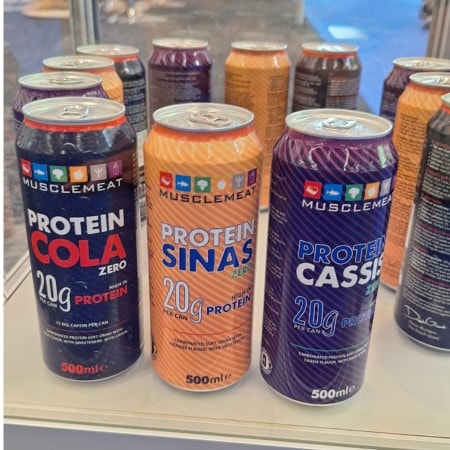
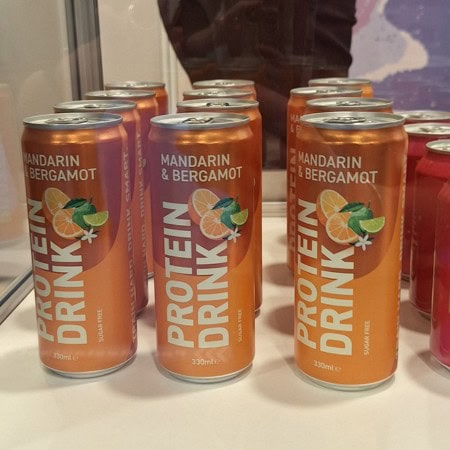
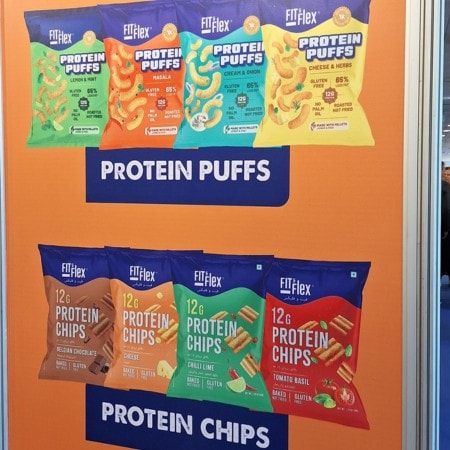
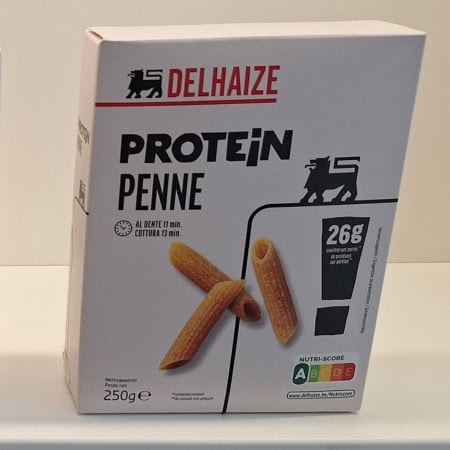
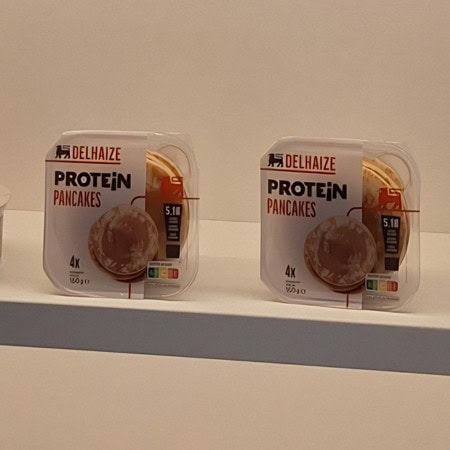
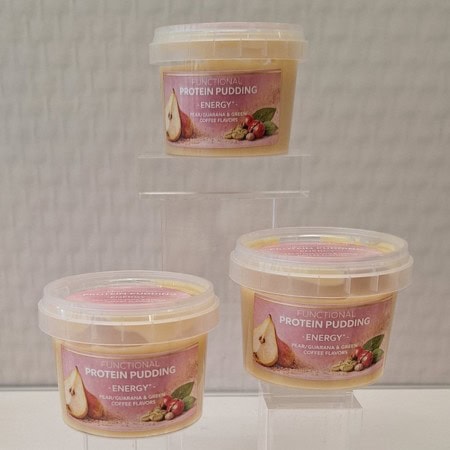
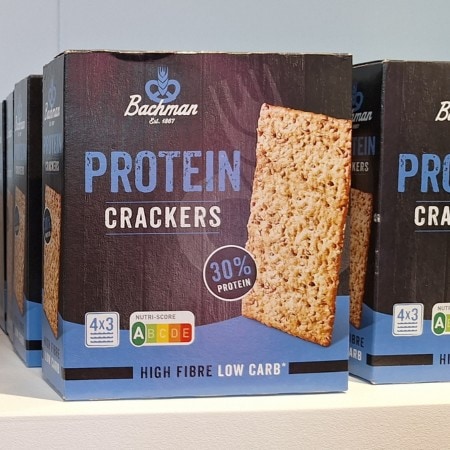
Protein was one of the most visible claims at PLMA. Not only on sports nutrition, shakes and bars, but also on everyday products such as pasta, crackers, honey and soft drinks. But if every product carries a functional claim, how distinctive does it remain? Interestingly, we saw fewer products with added fibre than expected, especially after the attention around Fibermaxxing.

Ingredient transparency
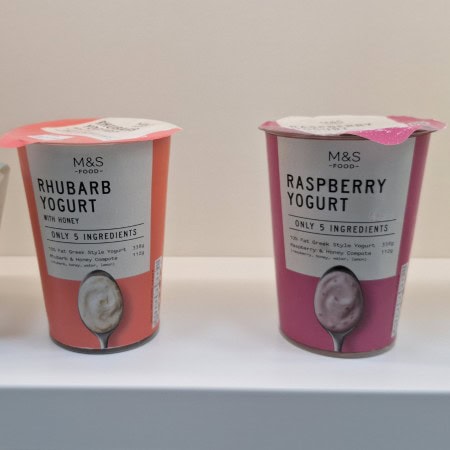
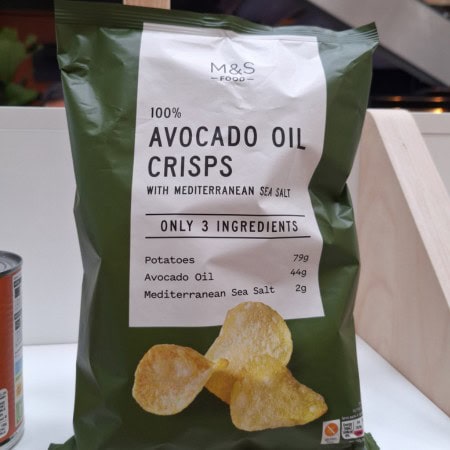
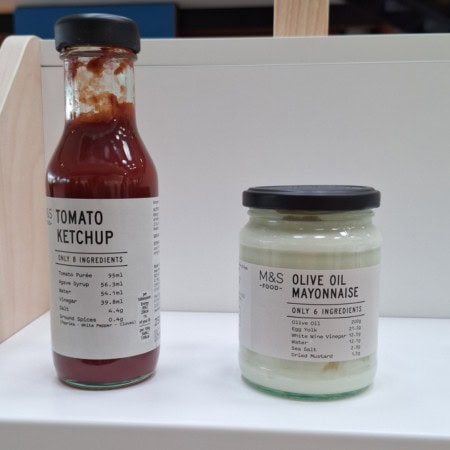
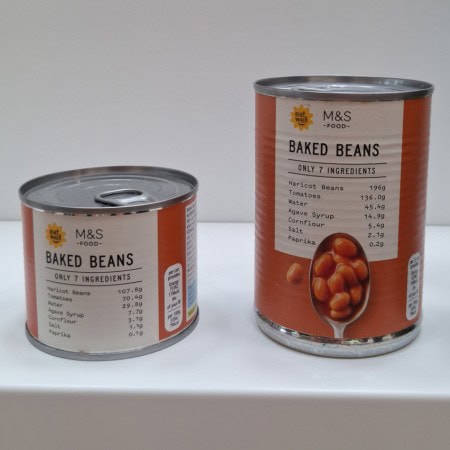
Ingredient transparency also fits this movement. Marks & Spencer stood out with packaging where ingredients were not only listed on the back, but used as a selling point on the front. Claims such as “only 3 ingredients” or “only 6 ingredients” make simplicity tangible and quickly build trust.
2. Convenience with a fresh feel
Consumers want convenience, but not always the feeling of a ready meal. This creates space between cooking from scratch and ready-to-eat meals.
Air fryer
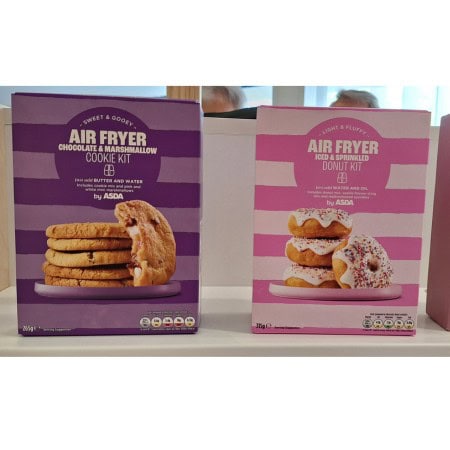
The air fryer is a clear example of this. Due to its high household penetration, the appliance now plays a role that goes beyond fries, snacks and reheating leftovers. ASDA responded smartly with air fryer cookie kits and donut kits. This shifts the air fryer from savoury convenience to sweet moments of indulgence and home baking.
Meal kits and flavour makers
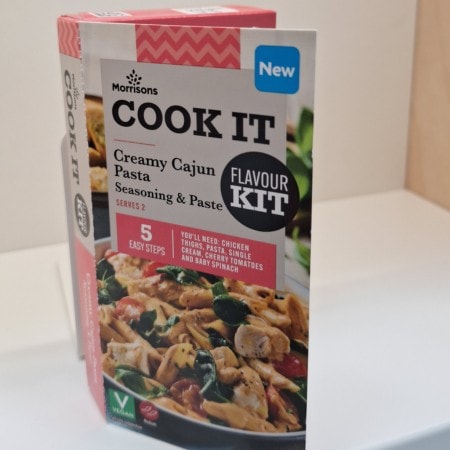
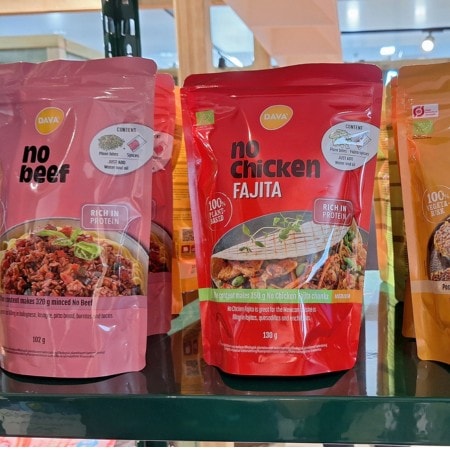
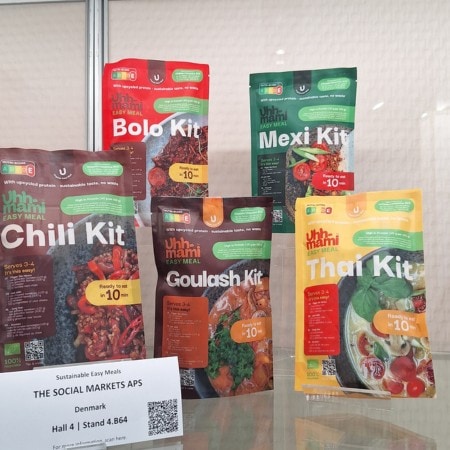
Meal kits and flavour makers fit the same movement. They are not new, but they are gaining renewed relevance through the success of fresh meal kits. They give consumers taste, direction and confidence, while still leaving room to add fresh ingredients. Think of seasoning and paste kits, dry plant-based components or products that build on the success of fresh meal solutions.
3. Plant-based with an identity of its own
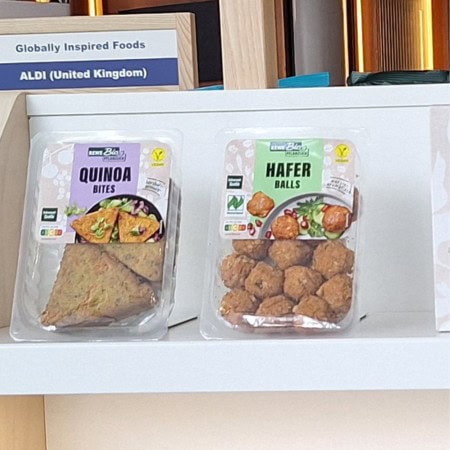
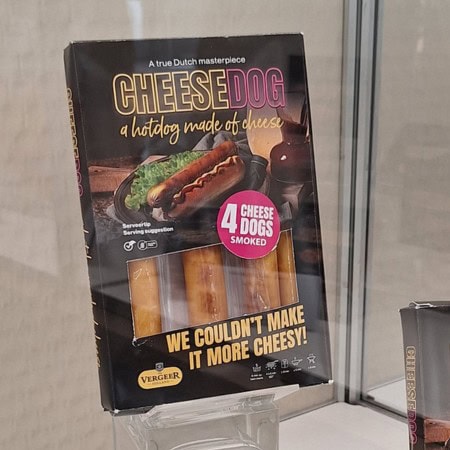
Plant-based products do not always need to resemble meat to be relevant. At PLMA, we saw more plant-based products choosing their own shape, taste or application.
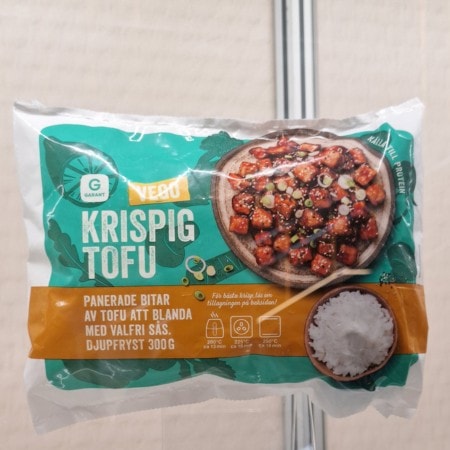
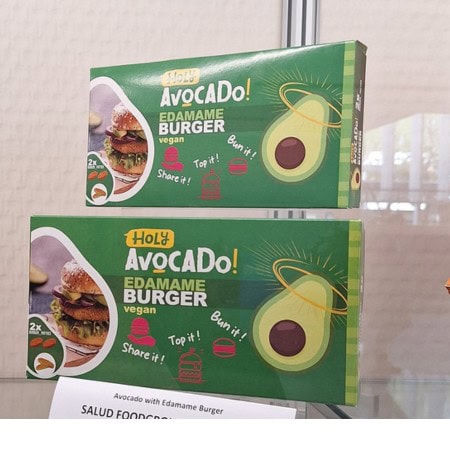
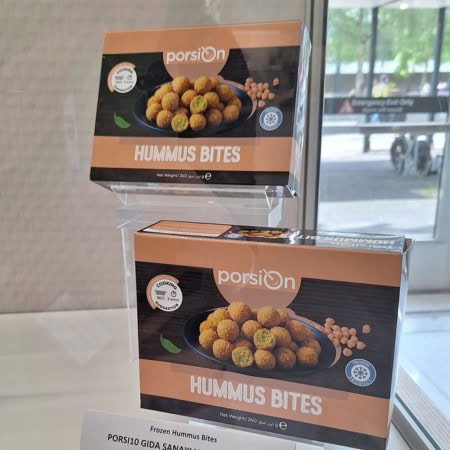
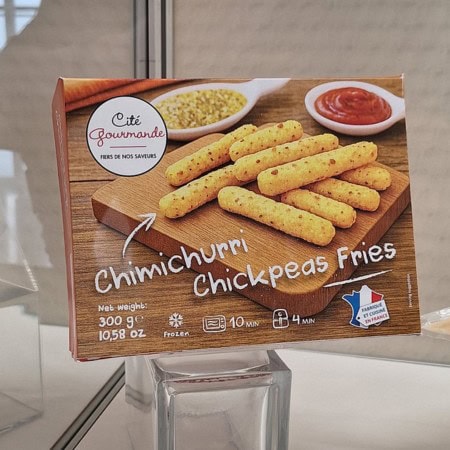
At Schouten, we call this Variations: products that are not about imitation, but about recognisable applications and new ideas. Think of crispy tofu, avocado-edamame burgers, hummus bites, chickpea fries or plant-based snacks with a clear identity of their own. These products are less about comparison with meat and more about their own eating moment.
In short: the plant-based category is creating more room for distinctive product concepts. Not only meat alternatives, but also products with their own taste, texture and application are bringing new energy to the category.
4. World flavours are moving into meal solutions
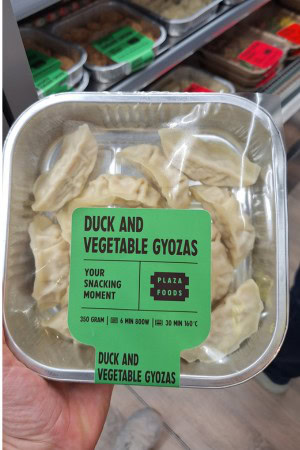
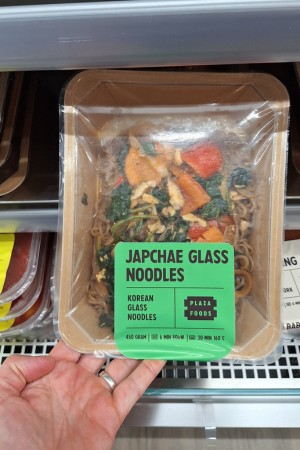
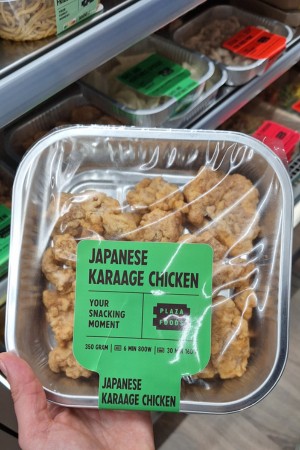
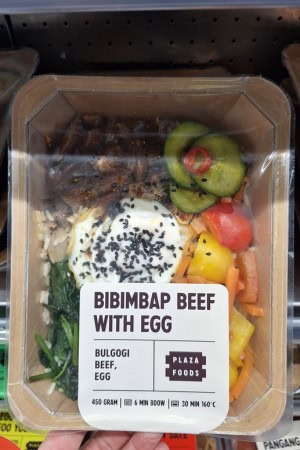
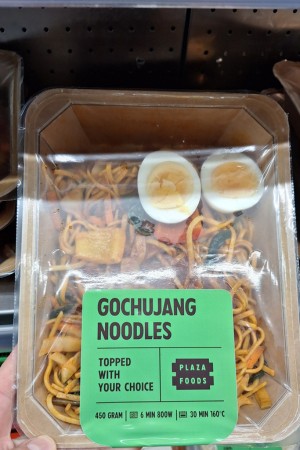
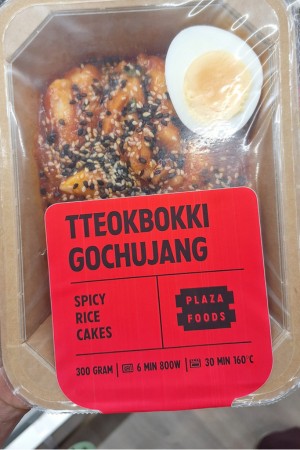
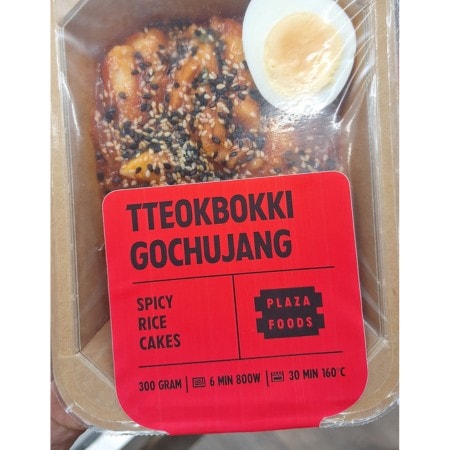
International flavours are no longer limited to sauces, marinades or individual flavour makers. At PLMA, we saw familiar flavour profiles being translated more often into complete eating moments: from snacks and noodles to ready meals and family meals. Korean food is a strong example of this.
Korean BBQ, bibimbap, gochujang noodles, tteokbokki, japchae and kimchi fried rice are appearing as complete meals or meal components. Their strength lies in recognisable flavour: spicy, umami, fermented, sticky and full of taste.
From sweet heat to crispy chilli oil
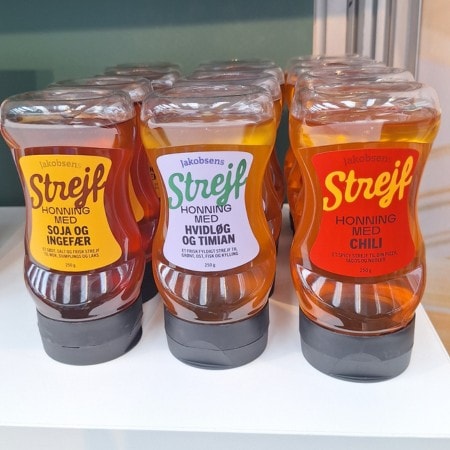
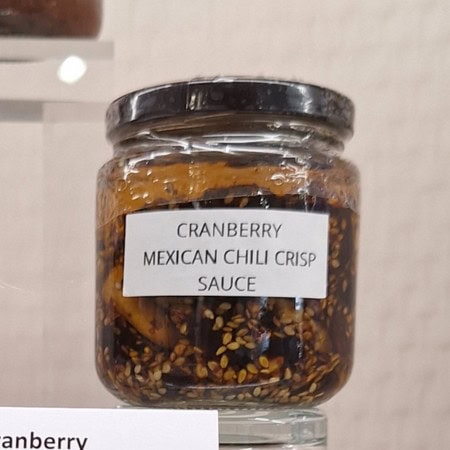
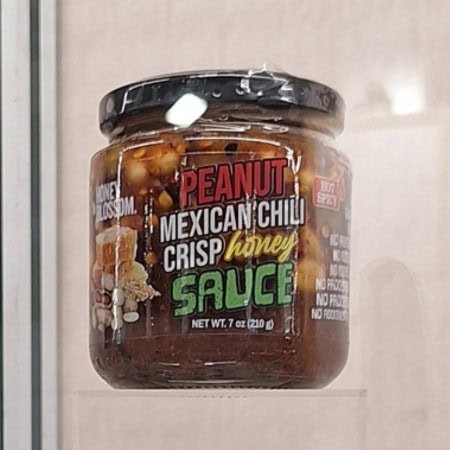
Sweet heat is also developing further. Chilli has long been a familiar flavour, including in combination with sweetness. Crispy chilli gives this direction a new layer: as an oil, sauce, topping or flavour maker with honey, cranberry, peanut or Mexican positioning. Hot honey fits as a related subtrend, even if it is not always crispy.
In short: world flavours make convenience more exciting. Especially flavours with clear recognisability and strong sensory appeal give meal solutions extra attraction.
5. Premium flavours continue to grow
Some flavours are moving from hype to recognisable premium choice. Matcha and pistachio stood out because they are being used more widely.
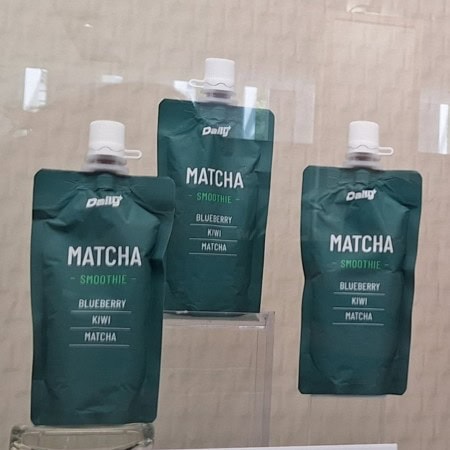
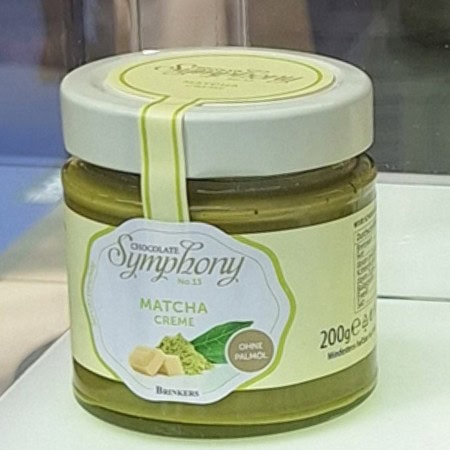
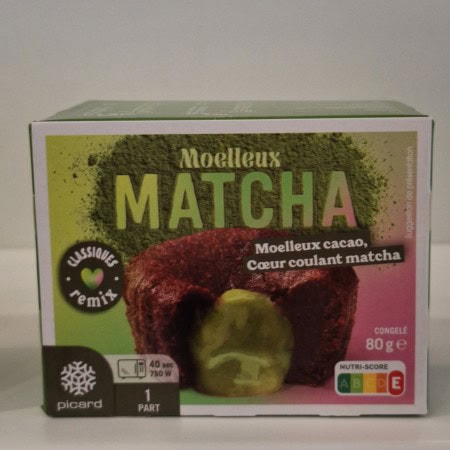
Matcha is not a new flavour, but it is taking on a broader role. Where matcha was previously mainly visible in tea, lattes and café concepts, it is now appearing in smoothies, oat drinks, chocolate spread and desserts. It adds colour, a premium look and a link to natural energy and wellness.
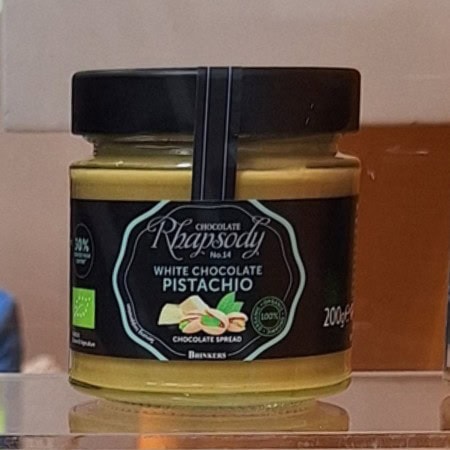
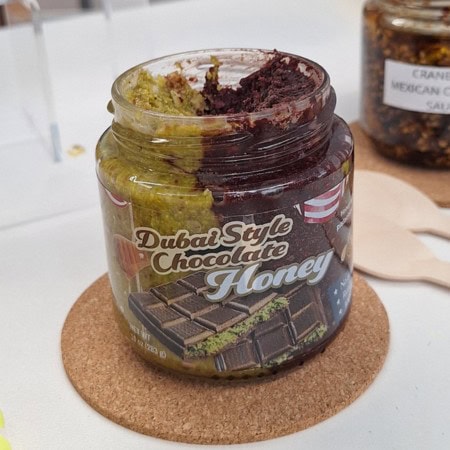
Pistachio is gaining extra momentum through Dubai chocolate. Where pistachio was previously mainly known from ice cream, patisserie and premium chocolate, the flavour is now appearing more widely in spreads, liqueurs, honey, desserts and chocolate concepts. Still, pistachio is not a one-to-one replacement for salted caramel. The flavour is more expensive, more distinctive and less universal.
In short: matcha and pistachio show that premium flavours can grow beyond one hype or product category. The opportunity lies mainly in applications where taste, appearance and experience come together.

6. Taste, texture and experience as a reason to buy
Not everything needs to be healthier or more functional; sometimes the experience wins. Alongside health and convenience claims, we saw many products focused on fun, surprise and bold taste.
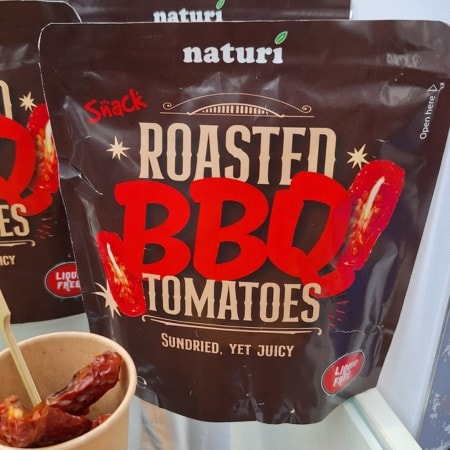
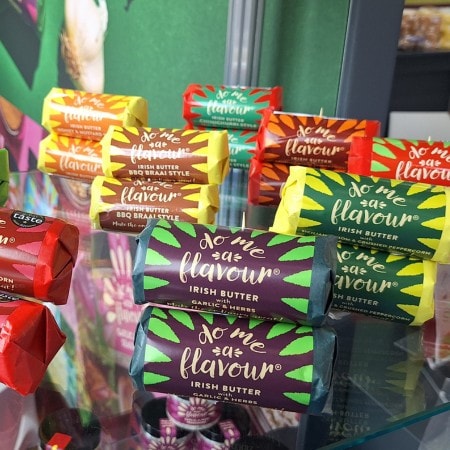
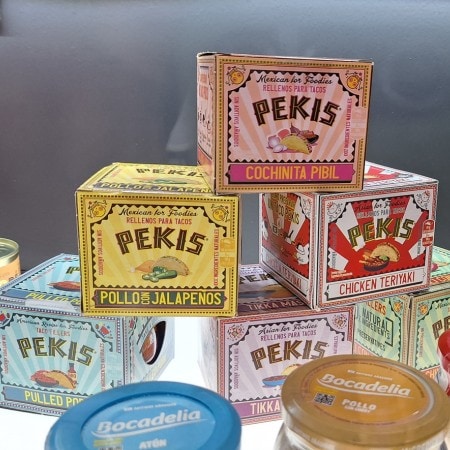
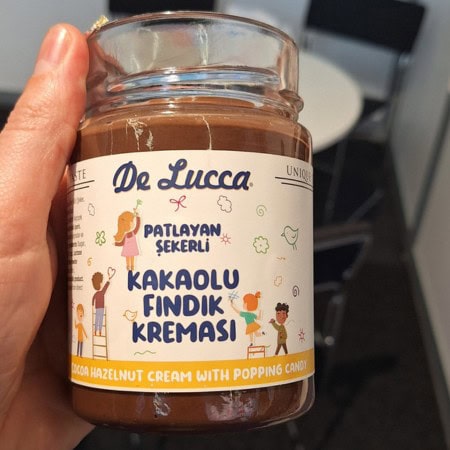
Think of BBQ tomatoes, flavoured butter, cookie butter, taco fillings and hazelnut spread with popping candy. These products give familiar categories a new impulse through playful textures, striking packaging or bold flavour combinations.
Desserts with a twist
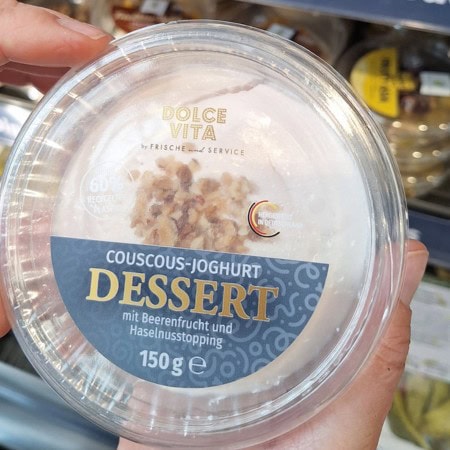
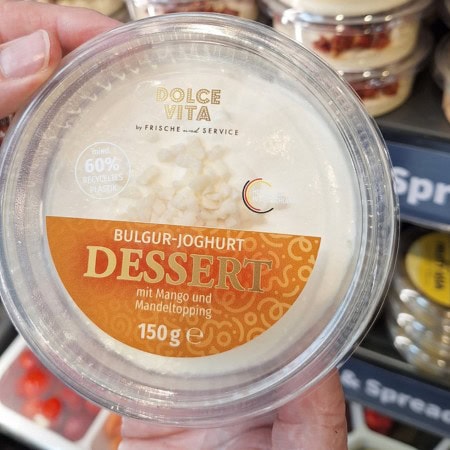
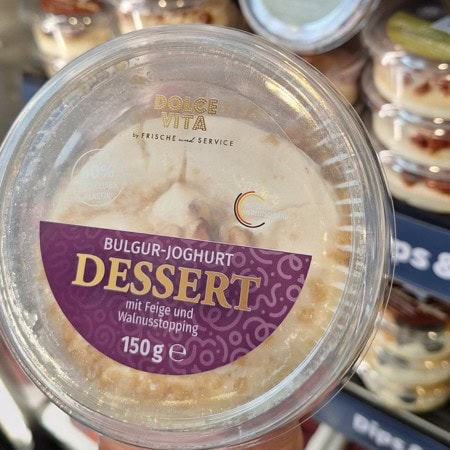
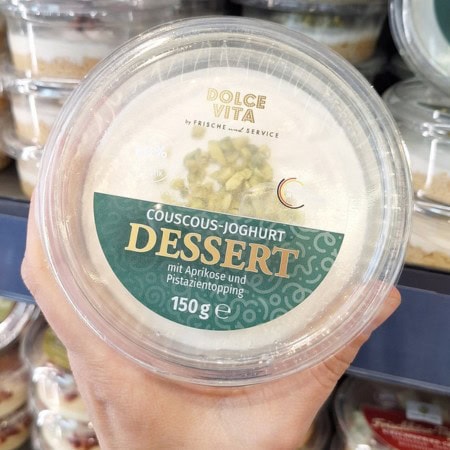
Desserts with yoghurt, fruit and bulgur or couscous also fit this direction. They make a familiar sweet moment feel slightly different: fuller, richer in texture and less standard. It remains a dessert, but the grain base adds more body and a slightly more nutritious feel.
In short: besides health and function, enjoyment remains important. Products with bold taste, playful texture or a striking usage moment give familiar categories renewed appeal.
What do we take away from PLMA?
PLMA shows that food innovation is becoming less about one single claim. The strongest examples combine several layers: air fryer kits link convenience to a clear preparation method, protein pasta and crackers add nutritional value to everyday products, and Korean meals translate world flavours into complete eating moments. Ingredient transparency and playful textures, such as popping candy, also give familiar categories an extra reason to stand out.
For brands, retailers and foodservice players, the challenge lies in relevance. A product does not stand out only because of a new flavour or an extra claim, but because it combines a clear application, a credible benefit and an attractive eating moment. The question is not only: what is new? But above all: why would the consumer choose this?
Our innovations also stood out at PLMA
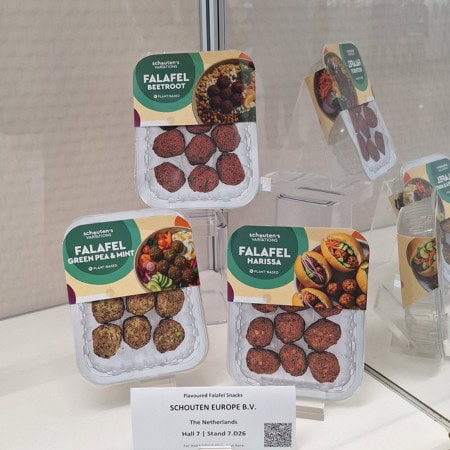
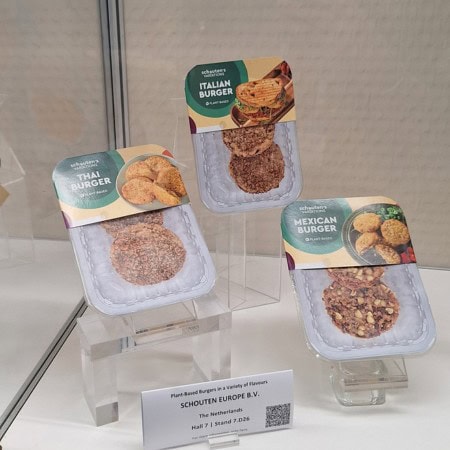
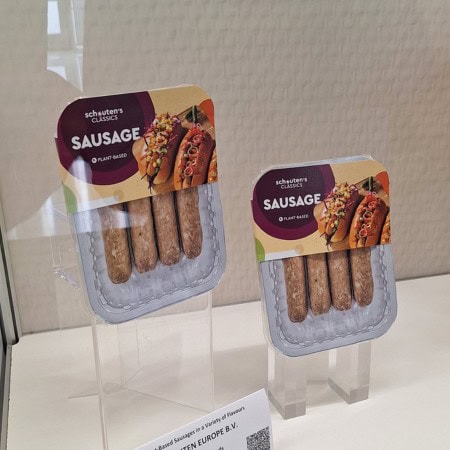
Besides spotting trends, PLMA Amsterdam was also a moment to present our own innovations. Schouten Europe had seven products selected for the New Product Expo: three falafels, three world-inspired burgers and one vegan sausage. The falafel range consisted of Vegan Falafel Green Pea & Mint, Vegan Falafel Beetroot and Vegan Falafel Harissa. This selection clearly reflects what the market is looking for: plant-based products with variety, taste and a clear identity of their own.
From world-inspired burgers to innovative falafel concepts and a juicy vegan sausage: Schouten showed how plant-based product development goes beyond simply replacing meat.